
Spring is here!
Redmond Design Group
Finally we are all starting to come off the Winter months with the hope of spring! It’s a bit late this year but with temperatures warming up, we are all hopeful to see its first signs. Bulbs are starting to peak through the ground, buds on forsythia are starting to swell – all good signs!
Some people wonder what they should do, or have a landscaper do for improvement in their landscape or lawn. Here are some helpful tips.
Lawn
- If you mow your lawn, inspect your mower and make sure the blades are sharp. It will do you no good with dull blades! When the grass reaches 3-4″, cut it back to about 2 1/2”.
- Have your soil tested. This will tell you the if PH and nutrients the soil might be lacking. This will guide you in a program of treatment or additives to correct problem areas.
- Use lime to raise the PH level – turf prefers neutral PH. Pelletized lime is the best but the ground should not be soggy when applied.
- Apply an herbicide application for crab grass control in early April, with the second application in mid May.
- Aerate lawn in compacted areas which will allow seed to take root more efficiently. Seed won’t germinate if lying on top of compacted ground.
- Over seeding can be done in April to thicken bare or thin spots in your lawn. Use a good seed mix that is geared to your exposure, i.e. shade or sun shade mix. Don’t use old seed as it probably won’t have a high rate of germination. Most times it’s also good to top-dress with a layer of compost to provide necessary nutrients for new seed.
- De-thatching is also important. Thatch promotes disease and stress to the lawn. Too much thatch usually means you are fertilizing too much or using poor mowing techniques.
- De-thatching is also recommended to be done twice a year.
- Rule of thumb for watering is 1″ per week minimum including rainfall. Water in early morning or early evening.
- Fertilizing throughout year will ensure a healthy lawn. You can also control broad leaf weeds with a liquid herbicide.
- Grubs start activity from spring when soil warms through June. Dylox is a product geared for grub control. Merit can also be used.
Landscape
- Clean-up all beds from winter debris, twigs, leaves etc. Prune winter kill from branches.
- Clean-up pots and clean and drain fountains
- Adjust lighting fixtures if applicable, change out bulbs
- Power wash patio, decks, walkways, house
- Fill joints of patio with fresh polymeric sand if needed
- Apply seal to patio or fresh stain to deck
- Clean out gutters and adjust/check downspouts
- Start up irrigation system
- Spray woodland edge and other tick prone areas with tick pesticide
- Spray dormant oil to remove aphid eggs from branches prior to bud opening on plants
- Edge and fertilize mulch beds
- Apply pre-emergent to beds for weed control
- Assess health of plants. Fertilize with holly tone for broad leaf and plant tone for deciduous plants. Rose tone can also be applied for roses.
Your yard needs a Spring boost and it always feels great to have things cleaned up before you have your parties and barbecues this summer!
The post Spring is here! appeared first on Redmond Landscape Design & Masonry in Boston and Metro-West.
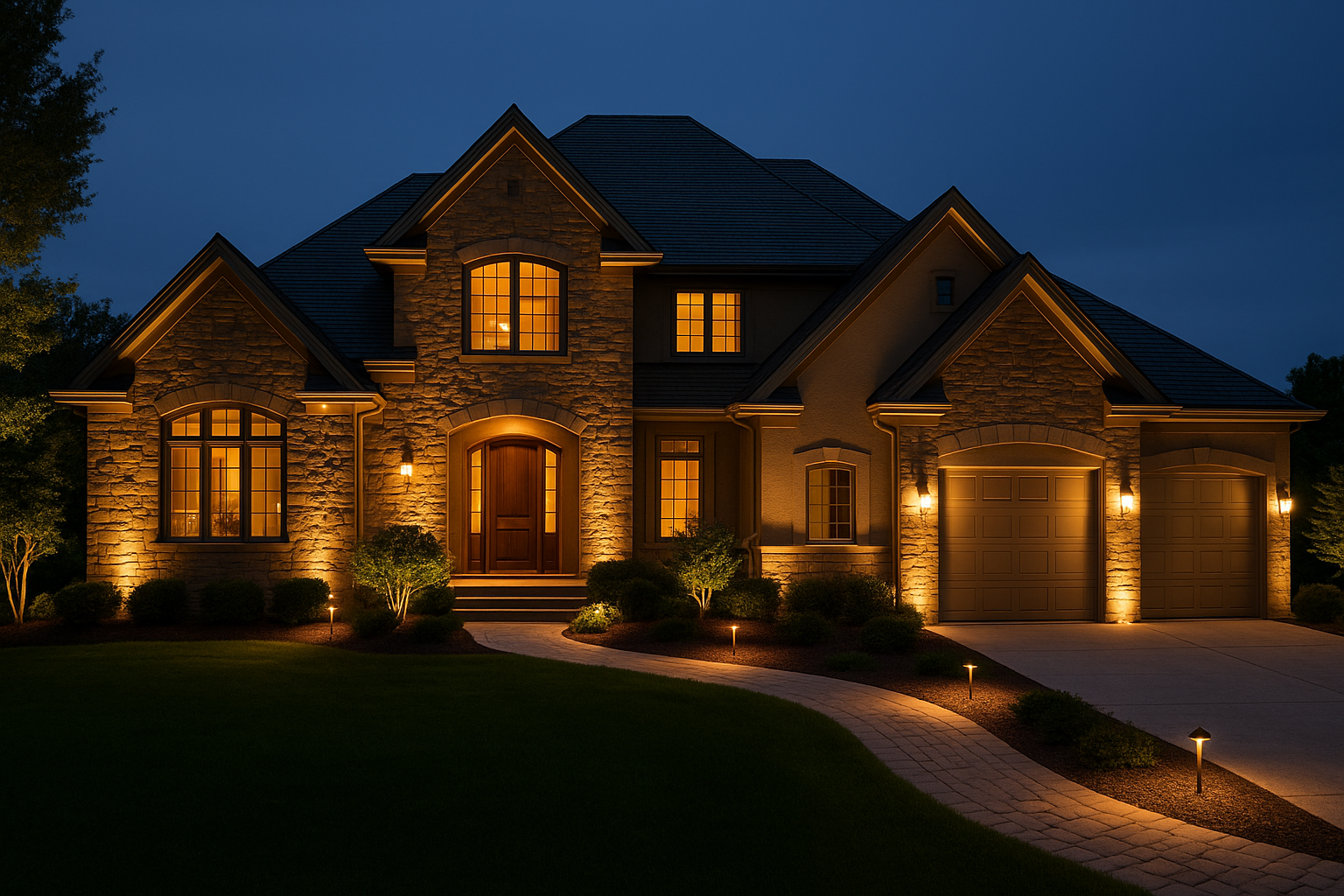
Are you dreaming of enhancing your outdoor living space? You're not alone. Across New England, homeowners are increasingly viewing their yards as extensions of their homes—places where families gather, entertaining friends, or simply unwind after a long day. In Massachusetts, hardscaping has emerged not just as a landscaping feature but as a meaningful investment enhancing property value, sustainability, and lifestyle quality. Let’s explore the innovative and sustainable Massachusetts Hardscaping Trends shaping outdoor living in 2025 and beyond. Why Sustainable Hardscaping Matters in Massachusetts Sustainability isn't just a buzzword; in Massachusetts, it's becoming the heart of landscape design. Residents are looking for eco-friendly solutions to reduce their environmental footprint and create outdoor spaces harmonious with local ecosystems. Local plants, water-efficient garden features, and greener materials are all becoming central to the conversation when designing outdoor spaces for the future. Trending Sustainable Hardscape Solutions in Massachusetts 1. Permeable Pavers for Eco-Conscious Driveways Stormwater runoff is a serious concern for Massachusetts residents, which is why permeable paving options are becoming increasingly popular. Case in point: Recently, a Concord family upgraded their traditional concrete driveway to permeable pavers, significantly reducing runoff and improving groundwater recharge. Permeable pavers are sustainable, attractive, and they even help protect properties from flooding. 2. Natural Stone Patios for Timeless Elegance Natural stone continues to captivate Massachusetts homeowners with its elegant, timeless appeal. Whether it’s beautiful bluestone, granite, or flagstone, natural stone patios provide not just stunning aesthetics but durable, low-maintenance surfaces designed to withstand harsh New England winters. 3. Fire Features for Year-Round Entertaining Massachusetts winters can be notoriously challenging, but that doesn't mean outdoor fun should end with the warm weather. Fire pits and outdoor fireplaces have become critical, cozy centerpieces, allowing folks near Boston and across the state to enjoy their yards even in colder weather. Creative masonry and modern designs help these fire features blend effortlessly with any backyard style. 4. Smart Irrigation: Water-Wise Gardens Leveraging smart irrigation technology significantly reduces water waste. Smart watering systems adjust based on local weather conditions, maintaining lush landscapes without overwatering—combining technology with ecological responsibility. 5. Solar-Powered Outdoor Lighting Solar lighting continues to shine as a popular addition to Massachusetts landscapes. Not only does solar-powered lighting lower your energy bills, but it also increases safety, accessibility, and aesthetic appeal without extensive electrical work. Many Boston-area homes are embracing these energy-efficient lighting solutions, illuminating walkways, patios, and gardens beautifully. 6. Pollinator-Friendly Plantings Integrating native and pollinator-friendly plants into hardscaping projects can turn a simple yard into a vibrant habitat. For instance, a family outside Burlington replaced a manicured lawn with native wildflowers, significantly reducing maintenance while attracting butterflies, bees, and songbirds. This biodiversity-boosting trend enhances curb appeal while benefiting local ecosystems. 7. Durable Outdoor Kitchens Outdoor kitchens designed using sustainable, weather-resistant materials such as stone, concrete, and reclaimed wood are trending in Massachusetts. These spaces provide enduring value, seamless entertaining opportunities, and practical outdoor living throughout most seasons. 8. Rainwater Harvesting Integration Rain barrels and beautiful rain garden designs provide attractive and practical solutions for water conservation. Keeping sustainable water usage in mind, many Massachusetts homeowners are choosing creative methods to harvest and repurpose rainwater naturally. 9. Eco-Friendly Pool Designs Pools featuring natural filtration systems powered by plants and gravel rather than chemicals are gaining popularity among eco-conscious families in Massachusetts. These sustainable, freshwater-inspired pools not only protect groundwater but also blend naturally with the surrounding landscape. 10. Incorporating Native Stone Masonry Walls Stone walls using local granite or fieldstone are classic fixtures in New England landscapes. Today's homeowners and designers combine traditional masonry techniques with innovative modern aesthetics for walls that enhance both function and beauty. Overcoming Hardscaping Challenges Transitioning from traditional landscaping methods to innovative, sustainable options can initially seem daunting due to higher upfront costs or lack of familiarity among property owners. However, phased implementation and clear education about long-term financial and environmental benefits make adoption easier. Property-specific plans accounting for soil conditions, local plants, and microclimates ensure successful hardscape outcomes. Future Outlook for Massachusetts Hardscaping Trends Looking toward 2025 and beyond, technology will increasingly merge with ecological sustainability. Expect to see automated landscape monitoring, increased use of recycled and reclaimed construction materials, and multifunctional, climate-resistant landscape features that gracefully adapt to New England's changing weather patterns. Frequently Asked Questions What are the latest hardscaping trends shaping Massachusetts landscapes in 2025? Popular trends include permeable paving, native stone materials, solar lighting, pollinator gardens, and sustainably built fire pits. How can I implement sustainable hardscaping in my backyard? Begin with native plantings, permeable surfaces, eco-friendly lighting, water-efficient irrigation, and recycled or natural materials. What is the best type of stone for patios in New England climates? Bluestone, granite, and fieldstone patios are highly durable and ideally suited to Massachusetts weather extremes. How do I integrate water features into my hardscape design? Consider natural pools, rain gardens, fountains, or decorative streams to enhance landscape sustainability and beauty. What are some eco-friendly materials for hardscaping projects? Reclaimed wood, permeable pavers, local stone, recycled concrete, and sustainably produced tiles rank high in eco-friendliness.
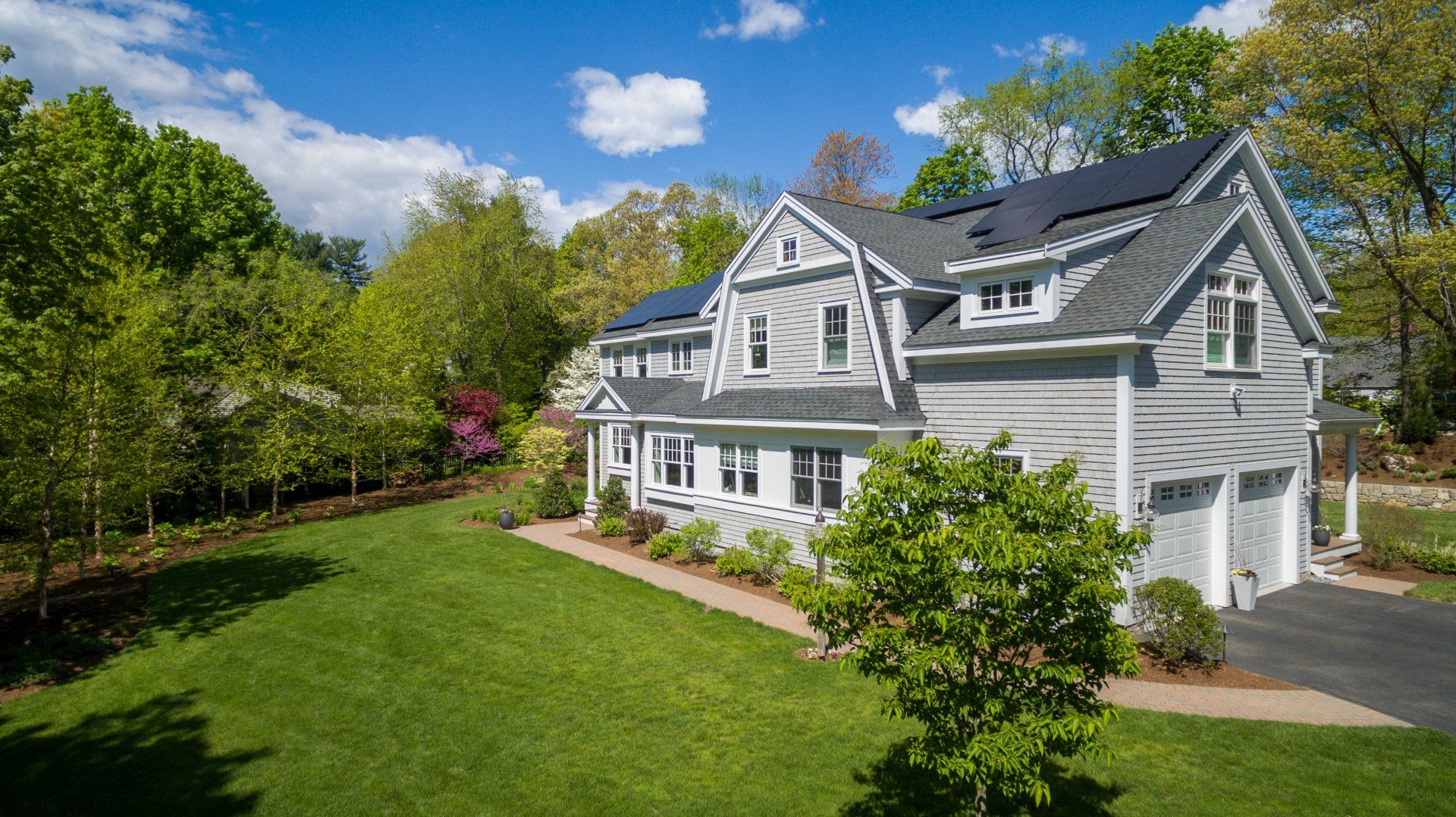
New Season, Same Company
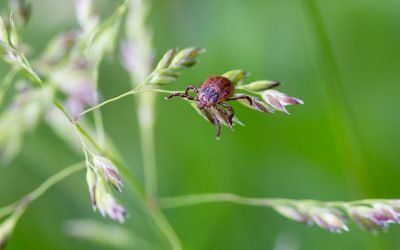
It’s that time of year again… the warmer weather and all of us coming out of hibernation after a long winter. Unfortunately we are not the only ones waking up! Those nasty ticks are also here and according to experts will be found in large numbers this year. I have firsthand experience with ticks. Late […]
The post Tick Talk appeared first on Redmond Landscape Design & Masonry in Boston and Metro-West.